



When operating a cross-border business in the UK, regulation and compliance are essential topics for every merchant. For many businesses, choosing an FCA-regulated payment institution is not just about processing transactions — it’s about ensuring the safety of customer funds, reducing operational risks, and building long-term trust.
So, what does it actually mean when a payment company is regulated by the FCA? And why should merchants care?
Let’s break it down.
1. What Is FCA Regulation?
The Financial Conduct Authority (FCA) is the UK’s primary financial regulator. It oversees banks, payment institutions, e-money companies and other financial service providers. Its role is to ensure that regulated firms:
-
Operate under strict regulatory standards
-
Safeguard customer funds properly
-
Provide fair, transparent and secure financial services
-
Prevent money laundering, fraud and financial crime
For payment companies operating within cross-border environments, FCA regulation is considered the gold standard.
2. What Does It Mean When a Payment Institution Is FCA-Regulated?
When a company is authorised by the FCA, it must meet — and continuously comply with — a wide set of regulatory requirements.
Safeguarding of Client Funds
This is one of the most crucial aspects for merchants.
A regulated payment institution must keep all customer funds in a segregated safeguarding account that is completely separate from the company’s own operational funds.
This ensures:
✔ Funds are protected even if the company experiences financial difficulty
✔ Settlement is transparent and traceable
✔ Higher overall security and trust
Ongoing Reporting & Supervision
Regulated firms must submit regular financial, operational and risk reports to the FCA.
This guarantees:
✔ Transparent business activities
✔ No unauthorised or high-risk operations
✔ A monitored and controlled financial environment
Strong AML and Risk Control Framework
This includes:
-
Know Your Customer (KYC)
-
Know Your Business (KYB)
-
Transaction monitoring
-
Risk categorisation
-
Suspicious Activity Reporting (SAR)
This framework protects merchants and consumers from fraud, laundering and illegal activities.
3. GlobePay’s Commitment to Security and Compliance
As an FCA-authorised payment institution (FRN 930172), GlobePay places compliance and security at the heart of our services.
We are committed to providing:
✔ Secure and transparent cross-border payment solutions
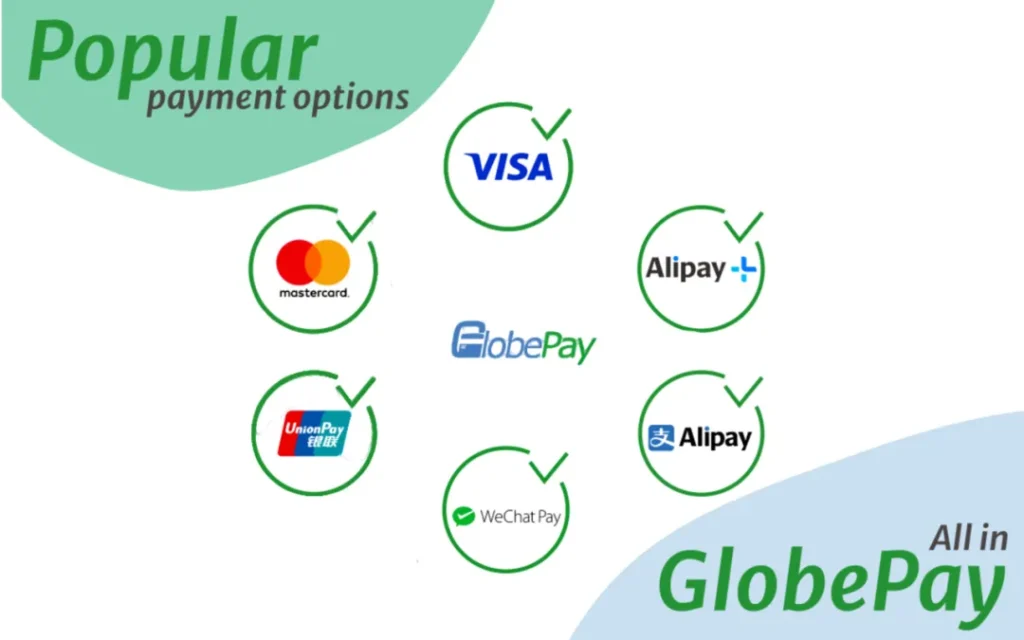
Enabling merchants to serve Asian consumers with familiar and trusted payment methods.
✔ Fast and reliable settlement
All processed under strict safeguarding and compliance requirements.
✔ A complete and robust compliance framework
Covering onboarding, transaction processing and settlement — with full transparency.
At GlobePay, our goal is not only to simplify payments but to ensure that every transaction is trusted, protected and compliant.
Conclusion: Compliance Is Not a Cost—It’s a Competitive Advantage
Choosing an FCA-regulated payment provider means choosing:
- Stronger customer trust
- Safer fund management
- Lower operational risk
- A more sustainable business long term
For UK merchants working in cross-border markets, regulatory compliance is the foundation of growth and reliability.
If you’d like to learn more about GlobePay’s compliance structure or our payment solutions, we’re always here to help.