



As Chinese tourists, students, and cross-border shoppers continue to spend more in the UK, payment experience has become a decisive factor at checkout.
Many UK merchants recognise the importance of Chinese customers, yet still lose conversions at the final step — not because of pricing or products, but due to small payment misunderstandings.
Assuming international cards are enough
For most Chinese consumers, cards are no longer the primary payment method.
Mobile wallets dominate everyday spending. If familiar wallet options are missing at checkout, users are far more likely to abandon the payment than switch to an alternative method.

Offering only one Chinese payment option
Chinese payment behaviour is not one-size-fits-all.
Preferences vary by age group, scenario, and spending context. Relying on a single option often limits reach and leaves a large segment of customers unsupported.
Underestimating currency and exchange transparency
Clear pricing matters.
If consumers cannot easily understand the final amount, currency, or exchange rate during payment, trust drops instantly. Even minor uncertainty at checkout can result in lost transactions.
Treating online and offline payments as separate experiences
Chinese consumers expect consistency across channels.
When in-store payments support familiar wallets but online checkout does not, the fragmented experience can weaken confidence and brand perception.
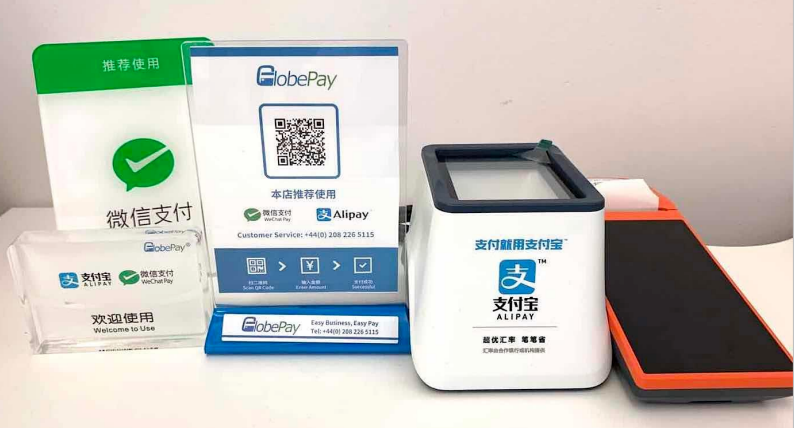
Payment experience is the final conversion driver.
For UK merchants, understanding Chinese payment preferences is not just about adding more methods — it’s about removing friction, building familiarity, and reinforcing trust at the most critical moment.
When payment feels intuitive and seamless, conversions follow naturally — and silent drop-offs disappear.